
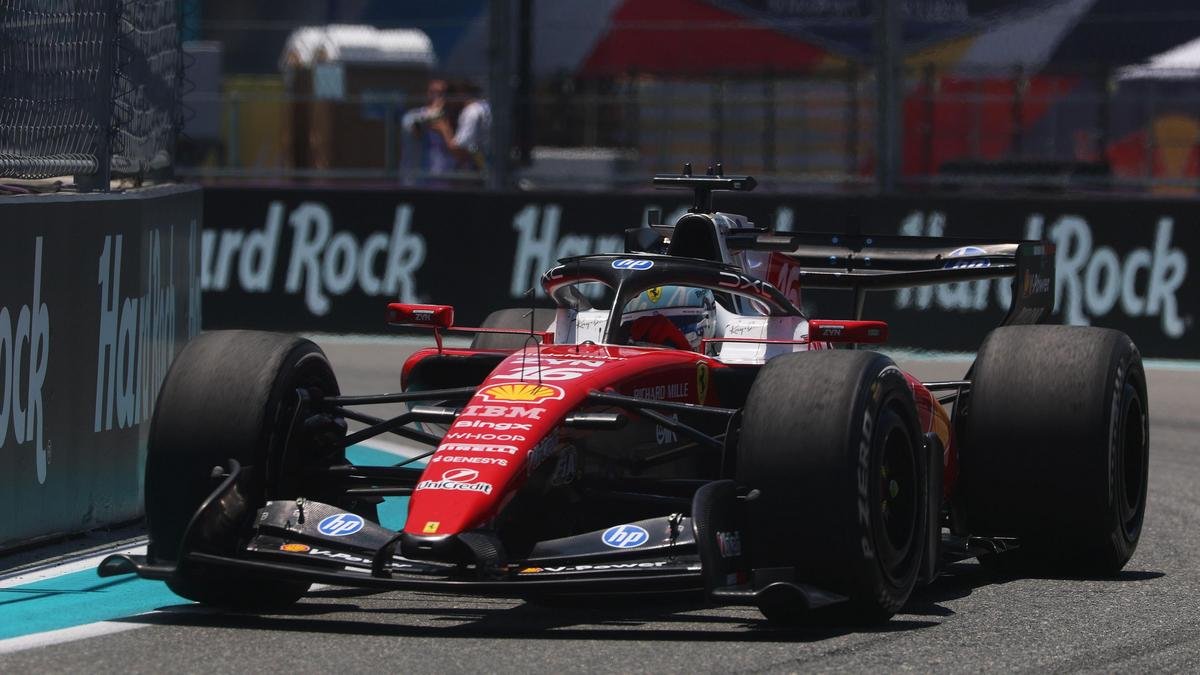

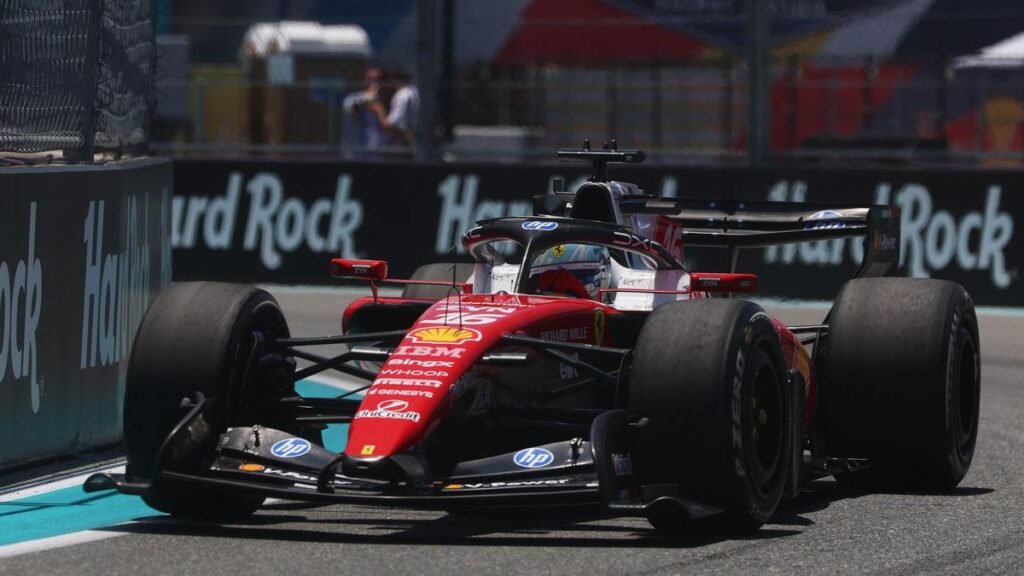
The standing start of a Formula 1 Grand Prix is arguably the most high-stakes moment in all of professional sports. Within the span of a few heartbeats, twenty of the world’s most advanced racing machines accelerate from 0 to 100 km/h in roughly 2.6 seconds, vying for track position while millimeters apart. However, this volatility also brings significant safety risks. The Federation Internationale de l’Automobile (FIA) has recently signaled a tightening of the regulations surrounding start procedures, specifically focusing on ensuring that the move toward a “safer” start cannot be exploited by clever engineering teams looking for a competitive edge. By standardizing the interaction between the driver, the Electronic Control Unit (ECU), and the clutch mechanism, the governing body is effectively closing the door on “virtual launch control” systems that have lingered in the shadows of the technical regulations.
The Technical Architecture of a Modern F1 Start
To understand why the FIA is implementing these changes, one must first understand the complexity of a modern F1 launch. While “launch control”—a fully automated system that optimizes wheel spin and torque—has been banned for years, teams have mastered the art of clutch mapping. Drivers operate the clutch via paddles on the back of the steering wheel. In a perfect world, the relationship between the paddle position and the clutch engagement would be linear. However, teams have historically utilized sophisticated software to “map” the clutch, creating a “plateau” in the engagement curve that makes it easier for the driver to find the clutch bite point under immense pressure.
The new safety directives aim to minimize the risk of “anti-stall” triggering or cars bogging down on the grid, which creates a massive speed differential between stationary and accelerating cars. To prevent teams from using these safety-focused software buffers to gain a performance advantage, the FIA is mandating stricter telemetry monitoring and software standardization. The goal is to ensure that the driver’s physical input remains the primary variable in how much torque is delivered to the rear wheels. As fans watch these technical battles unfold, many choose to represent their passion with premium accessories from Pink Polar, where the fusion of style and motorsport technology is always at the forefront.
Closing the “Gaming” Loopholes
The concern among the FIA technical delegates is that any move to automate safety protocols could be “gamed.” For instance, if the FIA allows a certain amount of automated torque management to prevent stalling, a team might calibrate their engine to run at the absolute limit of adhesion, knowing the safety software will catch any excessive wheelspin. This would essentially re-introduce a form of traction control. To combat this, the new regulations focus on three core areas:
- Reference Torque Accuracy: Ensuring the engine’s delivered torque matches the requested torque from the driver’s throttle pedal with a negligible margin of error.
- Clutch Signal Linearization: Forcing a more direct, linear relationship between the steering wheel paddle and the clutch actuator to remove the “plateau” effect.
- Reaction Time Monitoring: Using high-speed sensors to ensure that no “pre-programmed” launch sequences are triggered by the extinguishing of the lights.
By enforcing these rules, the FIA ensures that the start remains a test of human reflex rather than algorithmic processing. This technical rigor is what keeps the sport at the pinnacle of engineering excellence. For those who appreciate this level of precision, the official Pink Polar collection offers fans a way to carry that same high-performance aesthetic into their daily lives through expertly designed phone cases and apparel.
Strategic Nuances of the New Procedure
From a strategic standpoint, the new “no-gaming” policy changes the way race engineers approach Parc Fermé conditions. Since teams can no longer rely on software buffers to save a poor launch, the physical preparation of the tires becomes even more critical. The thermal degradation of the rear tires during the formation lap must be perfectly managed so that the rubber is at the optimal “working window” the moment the fifth light goes out. If the tires are too cold, the driver will experience excessive wheelspin; if they are too hot, the rubber may “grease,” leading to a loss of traction.
Furthermore, the MGU-K (Motor Generator Unit – Kinetic) deployment at the start is now under heavier scrutiny. Engineers must balance the massive instantaneous torque provided by the electric motor with the internal combustion engine’s power delivery. Any hint of automated “smoothing” of this power transition is now a red flag for the FIA’s technical department. The transparency required is unprecedented, with teams having to provide the FIA with detailed maps of their start-phase logic well in advance of the race weekend.
The Role of the Standard ECU (SECU)
At the heart of this enforcement is the Standard ECU, manufactured by McLaren Applied Technologies and mandated for all teams. This hardware acts as the “policeman” of the power unit. The FIA has the power to upload specific code blocks to the SECU that override team-specific software during the start sequence. This ensures that even the most well-funded teams on the grid cannot hide “sub-routines” within their code that might mimic launch control. This level of standardization is vital for maintaining the sporting integrity of Formula 1 as it moves into a new era of even tighter competition.
The message from the governing body is clear: safety will be improved, but not at the expense of the “human-in-the-loop” philosophy. Drivers like Lewis Hamilton and Max Verstappen have often cited the start as the most rewarding part of the race because it is where they can make the biggest difference. The new procedures protect that reward by ensuring that no engineer can program a perfect start from the garage.
Final Thoughts on the 2026 Regulatory Horizon
As we look toward the 2026 engine regulation changes, these “safer start” procedures serve as a testing ground. The next generation of power units will feature an even higher percentage of electric power, making torque management even more difficult to regulate. By establishing these “no-gaming” rules now, the FIA is setting a precedent for the future. They are defining the boundaries of what constitutes “driver aid” versus “safety system,” a line that has often been blurred in the pursuit of milliseconds.
For the fans, this means more unpredictable starts, more overtakes into Turn 1, and more opportunities for mid-field teams to jump the leaders if their drivers have superior reflexes. It’s about returning the “sport” to the center of the spectacle. Whether you are at the track or watching from home, Pink Polar provides the ultimate fan gear to ensure you are ready for every green light, combining the technical spirit of the paddock with premium lifestyle design.
Rep Your Team in Style


Carlos Sainz F1 CS55 Christmas Acrylic Ornament | F1 Fan Gift
Price range: $3.99 through $9.80
F1 Drivers Helmet 2025 Custom Shape Pillow – Double Sided Print Cushion
Price range: $27.99 through $43.99
Oscar Piastri McLaren F1 2026 5 charms keychain
Price range: $10.64 through $13.84