

The dawn of the 2026 Formula 1 season represents one of the most radical shifts in the sport’s history, moving away from the oversized, heavy-downforce machines of the current era toward a “nimble car” philosophy. While the FIA has laid out the technical framework, the true test of these regulations lies in the feedback from the cockpit. Drivers like Max Verstappen, Lewis Hamilton, and Fernando Alonso have been vocal about the compromises required to balance a 50/50 power split between the Internal Combustion Engine (ICE) and electric energy. As the grid prepares for a total overhaul of aerodynamics and powertrain dynamics, the verdict from the world’s best drivers suggests a future of immense technical challenge and tactical complexity.
The Power Unit Revolution: Power vs. Recovery
The heart of the 2026 regulations is a redesigned Power Unit (PU) that removes the complex MGU-H (Motor Generator Unit – Heat). To compensate for the loss of exhaust-driven energy recovery, the MGU-K (Motor Generator Unit – Kinetic) will see its output nearly triple, from 120kW to 350kW. This shift toward a 1,000-horsepower output—evenly split between the V6 turbo engine and the battery—has sparked debate regarding energy management. Drivers have expressed concerns that without the MGU-H to provide a constant stream of energy, cars may “clip” or lose significant top speed at the end of long straights like those at Monza or Baku.
Strategic energy deployment will become the defining skill of the 2026 season. Drivers will no longer simply manage tires; they will be tasked with managing a massive electrical discharge through a new Manual Override Mode. This system acts as a tactical boost, allowing a trailing driver to access more energy to facilitate overtaking, effectively replacing the traditional Drag Reduction System (DRS) with a more complex energy-based “push-to-pass” mechanic. For fans following every strategic move, rocking the latest exclusive Formula 1 merchandise from Pink Polar ensures you look the part while these technical battles unfold on track.
Active Aerodynamics: The X-Mode and Z-Mode
To mitigate the drag created by the high-output MGU-K and the need for efficiency, the 2026 cars will feature Active Aerodynamics. This system introduces two distinct configurations:
- Z-Mode: The high-downforce setting used for cornering, where both the front and rear wing elements are deployed to maximize grip.
- X-Mode: The low-drag setting for straights, where wing angles are flattened to reduce air resistance and increase top-end speed.
These shifts happen in real-time, controlled either by the car’s logic or driver input. Some drivers have expressed trepidation during initial simulator runs, noting that the balance of the car can feel unpredictable when the aero shifts mid-corner. Ensuring the transition between these modes is seamless is currently the primary focus for engineers at the FIA and within team wind tunnels.
The “Nimble Car” Concept: Weight and Dimensions
One of the loudest complaints from the current generation of drivers is the sheer size and weight of the 2022-2025 ground-effect cars. They are often described as “boats” in low-speed corners. The 2026 rules aim to rectify this by reducing the wheelbase from 3600mm to 3400mm and narrowing the width from 2000mm to 1900mm. Furthermore, the FIA is targeting a 30kg weight reduction, bringing the minimum weight down to 768kg.
While drivers generally applaud the move toward smaller cars, skepticism remains regarding the weight target. With the Energy Store (Battery) becoming significantly larger and heavier to meet the 350kW requirement, many technical directors believe reaching the 768kg limit will be nearly impossible without sacrificing safety structures or performance components. George Russell, representing the Grand Prix Drivers’ Association, has noted that while a lighter car is safer and more reactive, the physics of a 50% electric powertrain makes that goal incredibly ambitious.
Chassis Dynamics and Ground Effect Evolution
The 2026 regulations will simplify the floor of the car, moving away from the extreme Ground Effect tunnels seen today. The goal is to reduce the “dirty air” effect even further, allowing cars to follow closely without overheating their front tires. By utilizing a partially flat floor and a lower-powered diffuser, the cars will rely more on the Active Aero elements for downforce. This change is intended to make the cars more lively and difficult to drive, putting the emphasis back on driver skill and throttle control. For the enthusiasts who appreciate the technical grit of the sport, Pink Polar offers apparel that mirrors the high-performance aesthetic of the F1 paddock.
Driver Verdicts: Verstappen vs. Hamilton
The grid is currently split on the 2026 outlook. Max Verstappen has been one of the most vocal critics of the “engine-led” regulations, warning that the cars might feel “weird” to drive if the aerodynamic mapping isn’t perfectly synced with the engine’s power delivery. He has highlighted the risk of drivers downshifting on straights just to keep the RPMs high enough to charge the battery—a scenario the FIA is working hard to avoid through refined software regulations.
Conversely, Lewis Hamilton has shown cautious optimism, focusing on the sustainability aspect. The 2026 season marks the first time F1 will use 100% sustainable fuels, a move that aligns with the sport’s Net Zero 2030 goals. Hamilton has emphasized that if these rules result in closer racing and a smaller environmental footprint, the technical hurdles will be worth the effort. You can find more updates on these developments via the official Formula 1 portal as the regulations continue to be polished.
Strategic Nuances: The New Era of Overtaking
Overtaking in 2026 will be less about finding a gap and more about Energy Management (EM). Because the Manual Override Mode provides a specific energy delta to the car behind, we will see “tactical battery saving” phases where a driver deliberately stays behind an opponent to harvest energy before unleashing a multi-lap assault. This adds a layer of chess-like strategy to every Grand Prix. The role of the race engineer will become even more critical, as they monitor live telemetry to tell the driver exactly when to deploy their 350kW surge.
Statistically, the reduction in downforce (roughly 30% less than current levels) and the 55% reduction in drag will lead to higher top speeds but significantly longer braking zones. For the driver, this means more opportunities for out-braking maneuvers into tight corners like Turn 1 at COTA or the harbor chicane in Monaco. The 2026 car will require a driver who is not only fast but also a master of electrical systems and aerodynamic states.
The Verdict: A Mixed Bag with High Potential
The verdict from the cockpit is clear: the 2026 rules represent a massive gamble. The transition to a “nimble car” is a direct response to driver feedback, yet the complexities of the new power unit create new hurdles that could redefine the “feel” of a Formula 1 car. Whether the cars will be as fast as the current generation remains to be seen, but they will undoubtedly be more difficult to master. As the teams head into the final development phase, one thing is certain: the 2026 season will reward the most adaptable drivers and the most innovative engineering departments.
Rep Your Team in Style

Carlos Sainz F1 CS55 Christmas Acrylic Ornament | F1 Fan Gift
Price range: $3.99 through $9.80
F1 Drivers Helmet 2025 Custom Shape Pillow – Double Sided Print Cushion
Price range: $27.99 through $43.99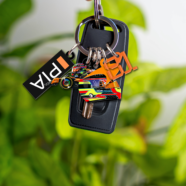
Oscar Piastri McLaren F1 2026 5 charms keychain
Price range: $10.64 through $13.84